Yacht
Brokerage
Refined
Strategic guidance for buyers and sellers who expect more.
View All Listings


Who We Are
Great Southern
Yacht Company
Yacht Company
At Great Southern Yachts, we combine deep market knowledge, hands-on experience, and a relationship-first mindset to help you navigate every choice with clarity—becoming your trusted partner for every boat, every season, and every chapter ahead.


Exceptional Yachts
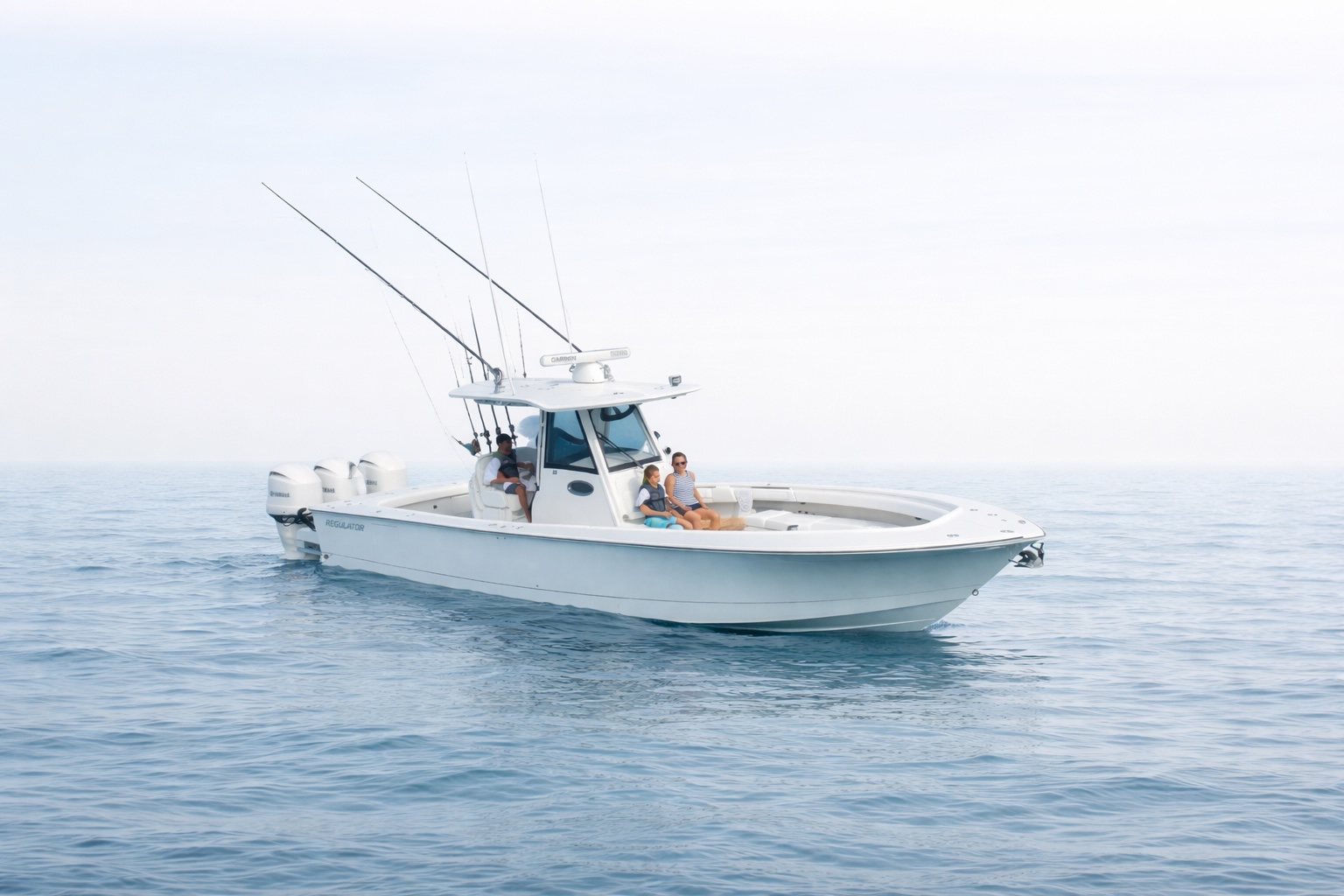
We represent quality cruising yachts, sportfishing vessels, sailboats, and luxury express cruisers. Each vessel we bring to market is thoughtfully positioned and represented with a clear strategy.

Experienced Advisors
Our team of seasoned brokers and captains brings decades of experience both on the water and in the yacht market. We guide buyers and sellers with insight, discretion, and trusted relationships.

True Boating Experience
We are active boaters who understand the vessels we represent from firsthand experience. That practical knowledge allows us to evaluate yachts carefully and advise clients with confidence.
Boats / Yachts For Sale
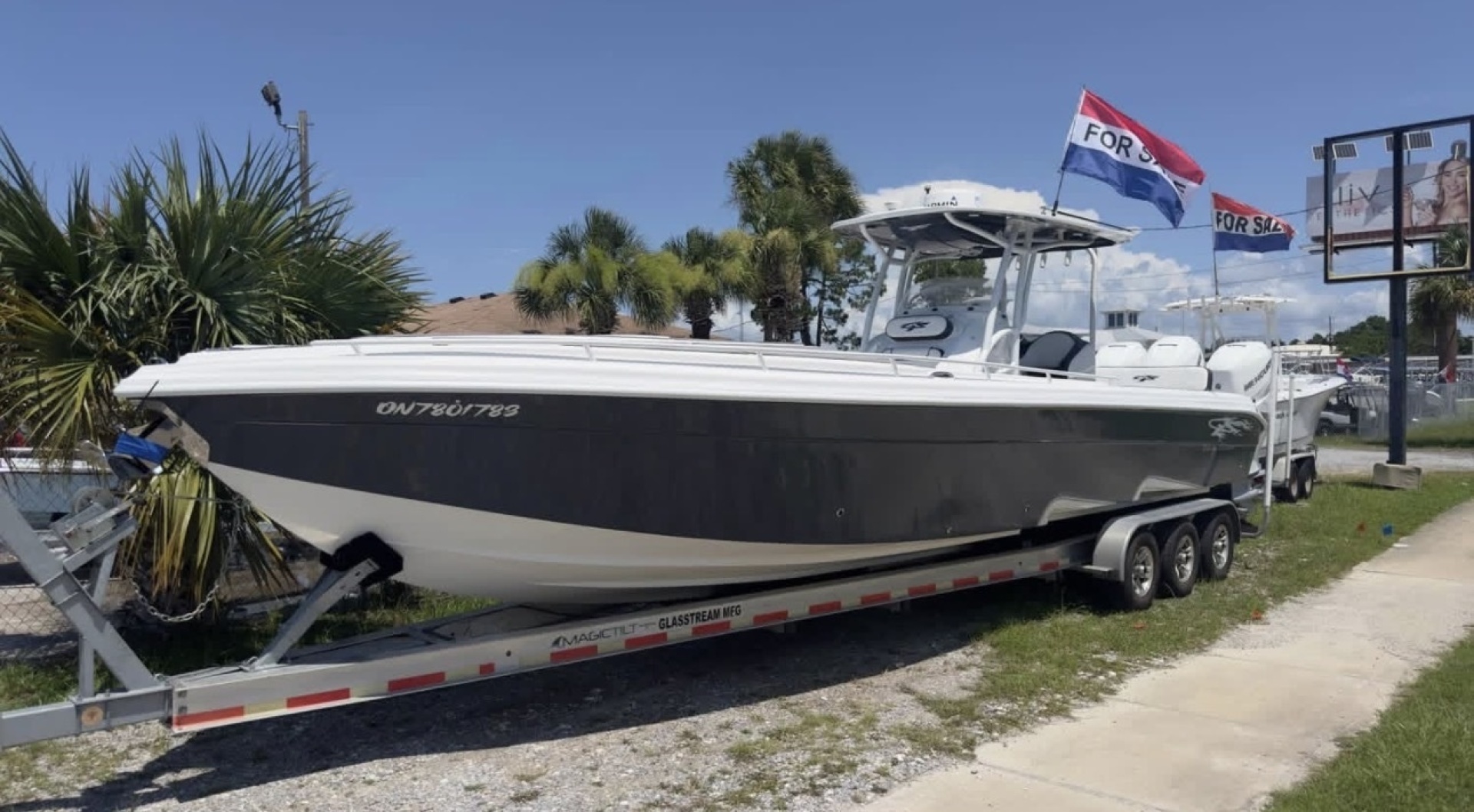
The 2020 Glasstream 360 SCX is a high-performance center console built for boaters who want a combination of speed, versatility, and comfort on the water. Wi...

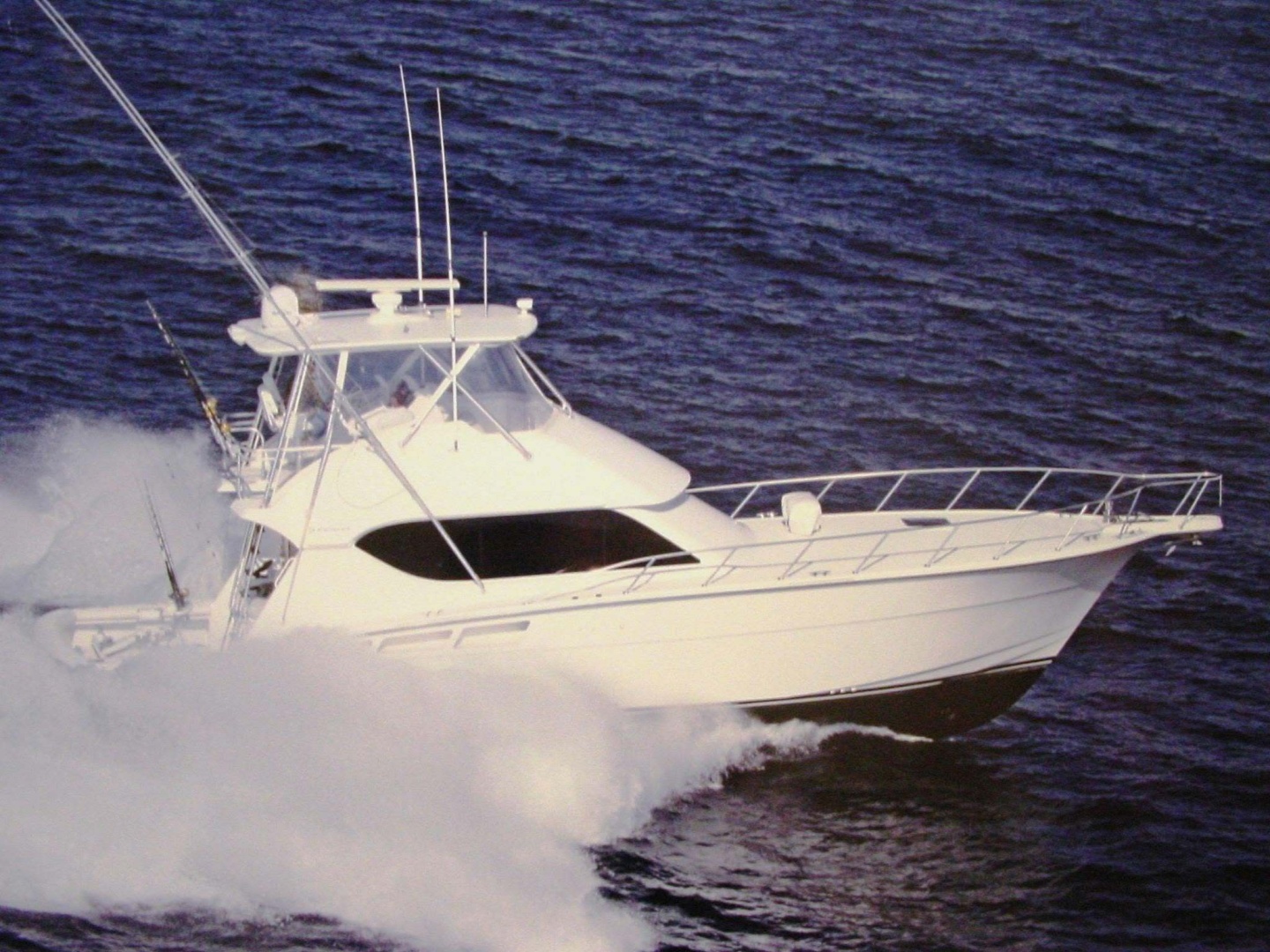
An excellent example of Hatteras craftsmanship, this 50 Convertible is a standout in the world of sportfishing yachts. Built with a rugged fiberglass Deep-V ...
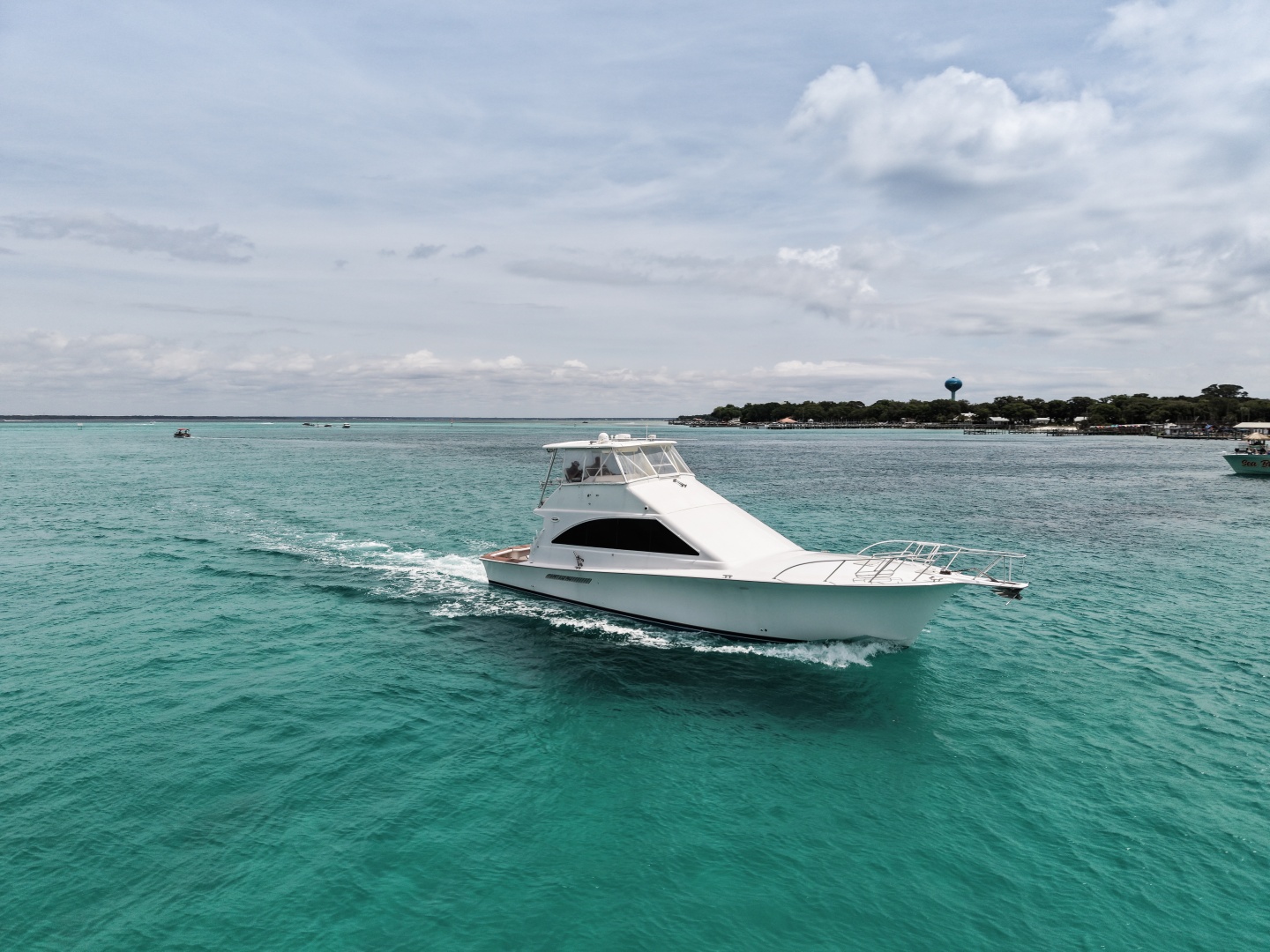
2002 Ocean Yachts 56 Super Sport – Sportfisher perfect for Fishing or Cruising! The impressive 2002 Ocean Yachts 56 Super Sport, arguably one of Ocean...
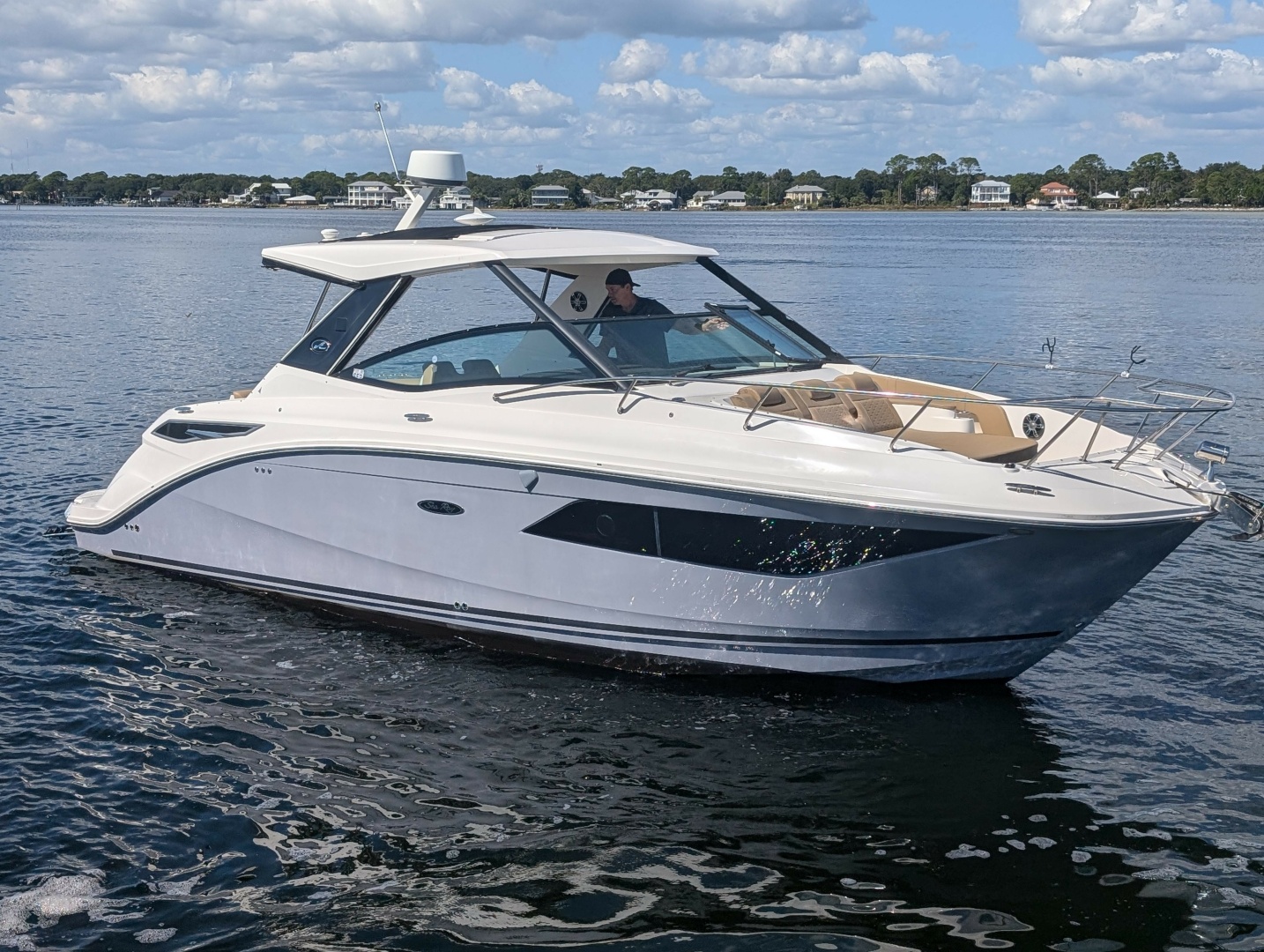
2019 Sea Ray 320 SunDancer For Sale Twin Mercruiser 6.2 L Inboards - ECT 6.2L MPI AX BR3X Generator Exhaust Manifolds and Risers replaced 10/2024 All ro...
A Different Approach to Yacht Brokerage
We don't just list boats—we guide decisions. Every client relationship is built on transparency, experience, and a long-term perspective that goes beyond the transaction.
Members
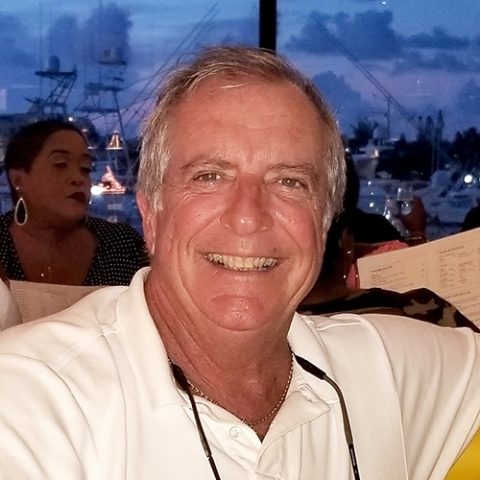
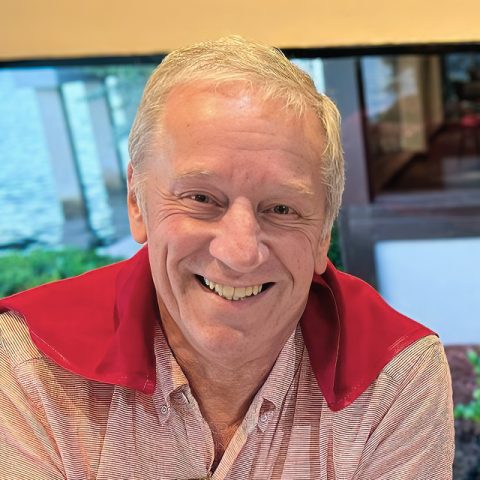
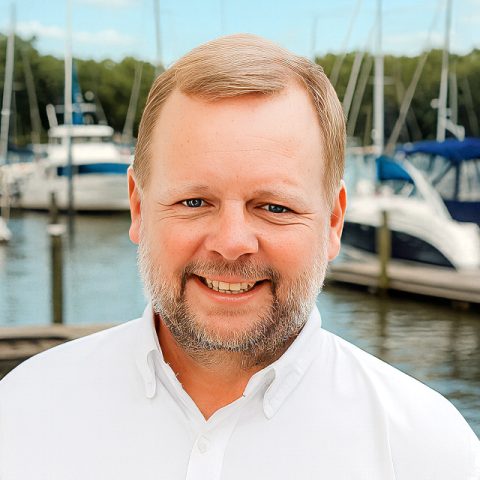
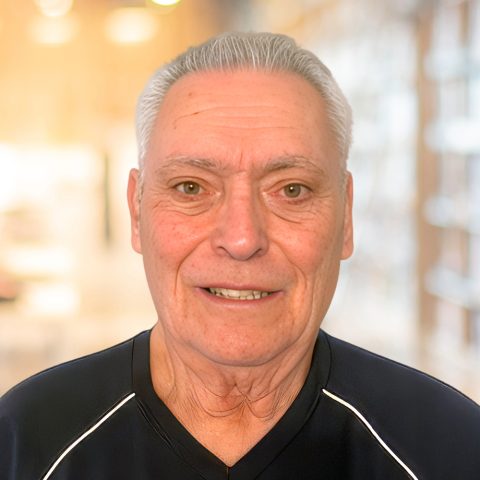
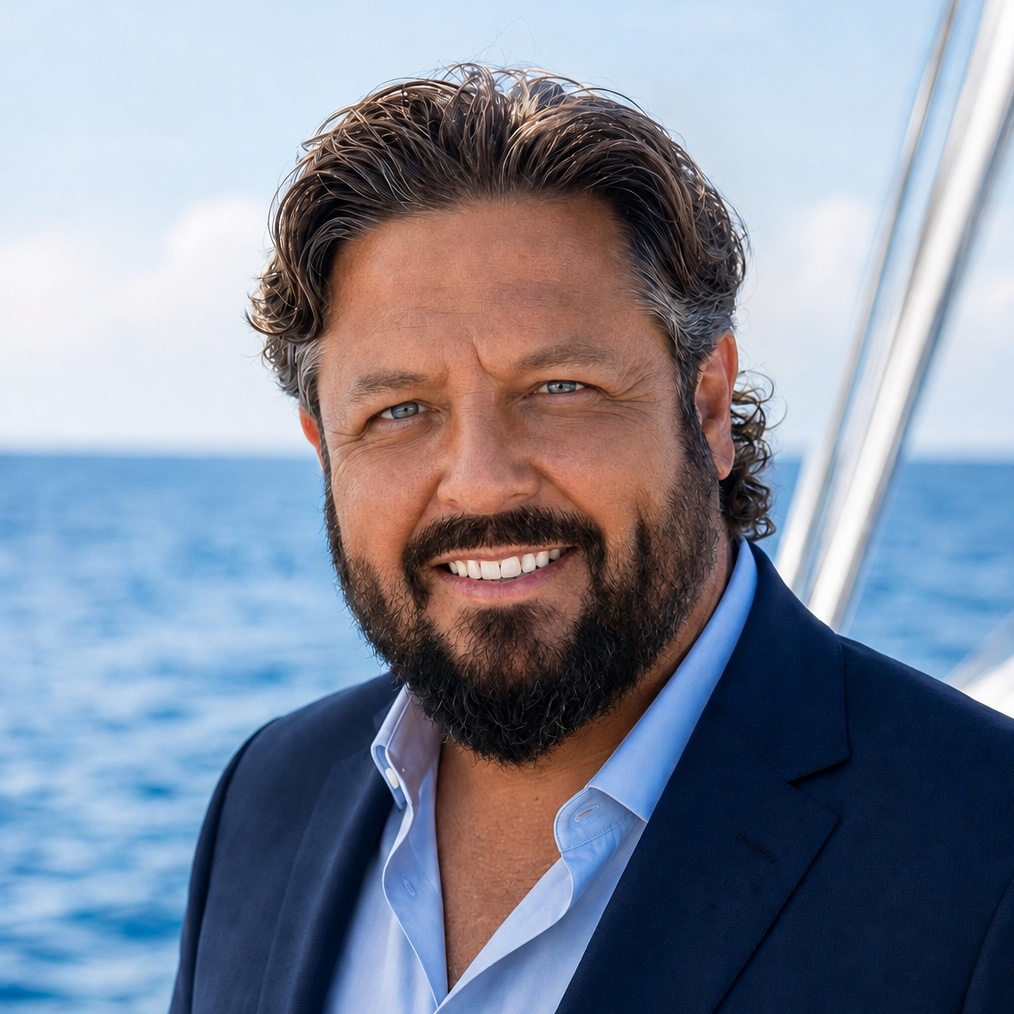
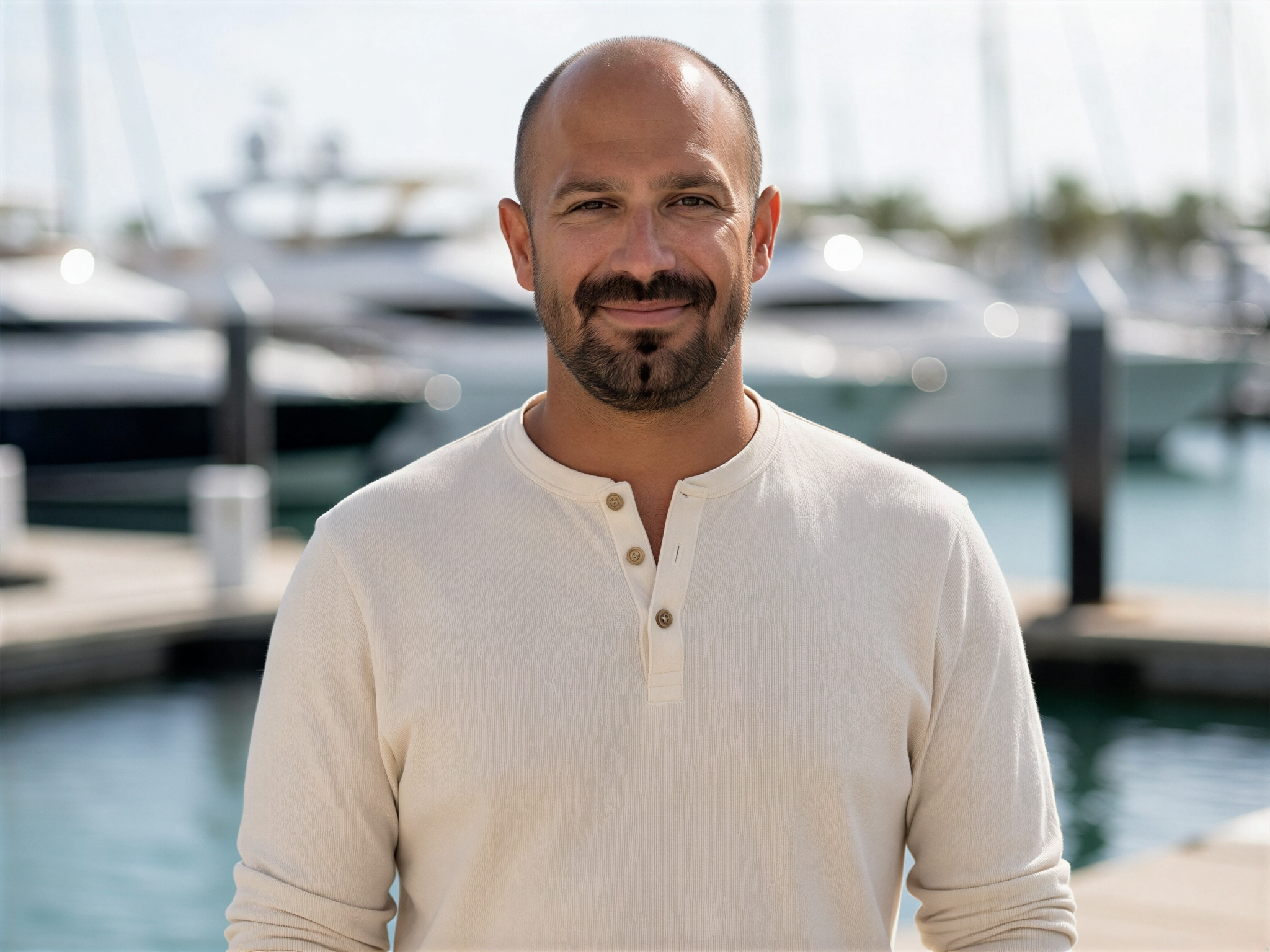
Your Trusted Crew at





Testimonials
What our clients say



Chris Sailors is a pleasure a work with. An outstanding guy that follows up, and does whats best for the customer. He is very knowledgeable about his boats, and takes the time to make sure its the right boat for you. I wouldnt hesitate to work with Chris again!
Great Southern Yacht Company is awesome to work with to sell or purchase a boat. I have purchased two boats with them and sold one. All of the employees from the C-Suite to the brokers and staff are pleasant and terrific. My broker is Mike Hinze. He is also a yacht captain and has worked in the business his entire career. They substantially and consistently exceed my expectations.
Chris Sailors is the most competent individual I have experienced in the Marine industry. From choosing the best vessel to most reasonable financial options there is no better. I have purchased from Chris and plan to again.
Steve and his staff are so easy to work with. They skillfully guided me through the sale of my vessel, from pricing and marketing to contracts and delivery upon sale. I can highly recommend Steve and his staff at Great Southern Yacht Co.
Tom Arnold is professional, knowledgeable, and detail oriented. I highly recommend Tom for any of your brokerage needs.
Great team to work with on buying and selling any sized yacht. Very well versed in the yacht brokerage world.
Fast and pleasant. Informative
Where We've Been
Where Will Your Next Chapter Take You?
From the Gulf Coast to international waters, we’ve guided clients through transactions around the world—with the experience to navigate it seamlessly.


Our Blog
Insights From Great Southern Yacht Company
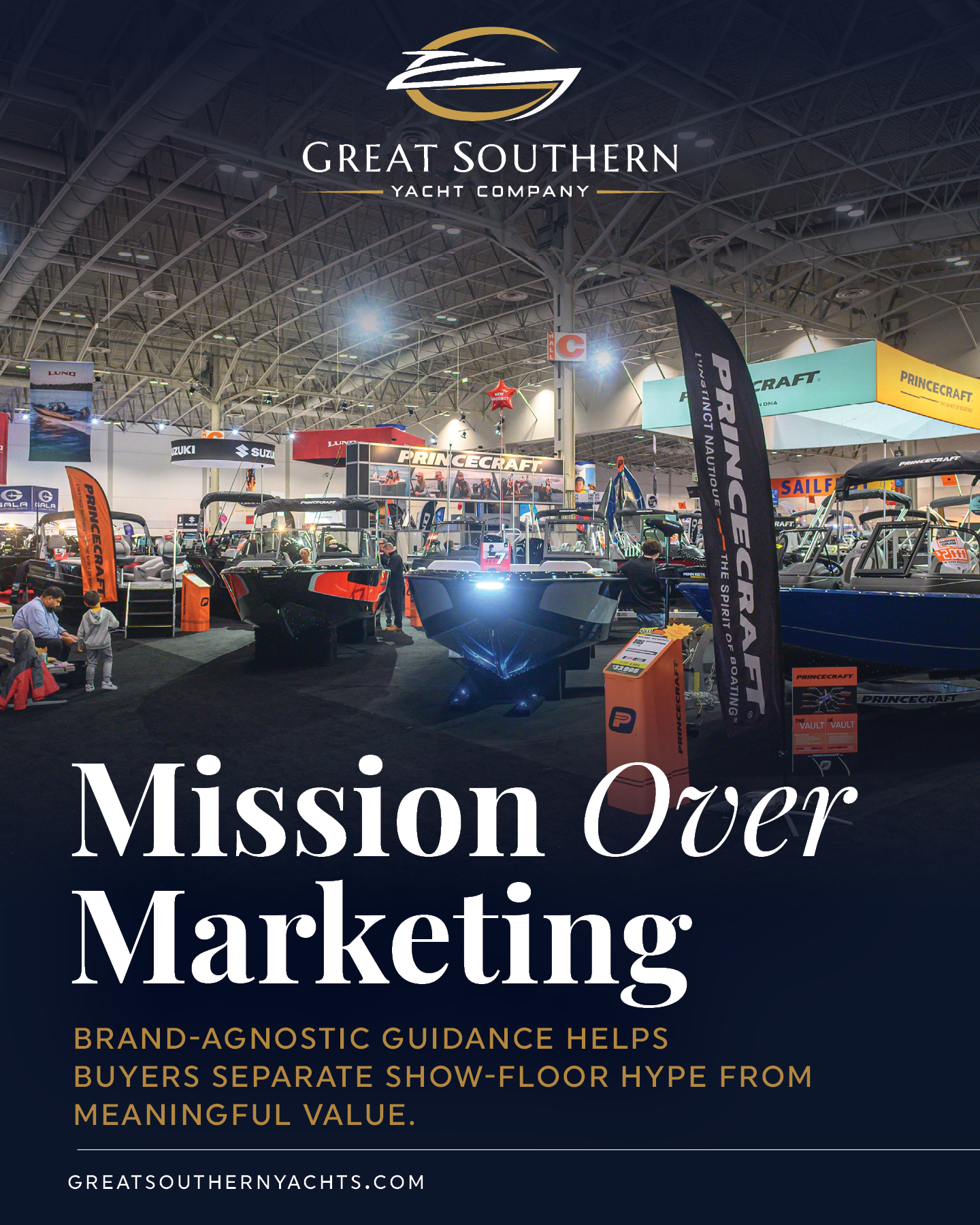
## The Fiduciary-First Difference at a Boat Show How Brand-Agnostic Brokers Help You Separate Hype from True Value Boat shows are designed to dazzle. The lighting, the music, the polished teak and champagne — everything is built to keep you in the moment and in the mood to buy. For yacht buyers, especially in markets like Destin, 30A, and South Florida, that environment can make it difficult to distinguish between a memorable experience and a sound long-term decision. This is where a fiduciary-first, brand-agnostic yacht broker changes the equation. Instead of being guided by the display, you’re guided by your mission for ownership — how you really want to use the boat, where you plan to keep it, and what will serve you best three, five, and ten years from now. At Great Southern Yacht Company, that’s the role we play at every show and private viewing: private yacht consultants first, brokers second. --- ## Why Boat Shows Can Cloud Good Decision-Making Boat shows are valuable. You can see a wide range of luxury yachts, sportfishers, trawlers, and cruisers in one place. But they’re also engineered to sell: - **Perfect presentation:** Staged interiors, meticulously detailed hulls, and controlled viewing routes can hide practical realities of everyday use. - **Manufacturer priorities:** Factory reps and dealer brokers are there to represent a brand and move inventory, not to walk you through competing options. - **Emotional momentum:** Limited-time “show specials,” crowded docks, and back-to-back walkthroughs compress the decision window. Without an advocate whose only job is to protect your interest, it’s easy to fall in love with the experience instead of the right yacht. --- ## What “Fiduciary-First” Actually Means for You A fiduciary-first yacht broker is legally and ethically aligned with you, not the manufacturer or dealer. Great Southern Yacht Company is fully brand-agnostic and does not carry new inventory, which removes a major source of conflict. In practice, this means: - **No pressure to move a particular model or builder.** We’re free to recommend what suits you best, even if that means walking away. - **Full-market view.** We compare what you’re seeing at the show against the broader pre-owned market — including quality pre-owned yachts that might deliver more value than a new build. - **Candid risk-reward conversations.** If a vessel’s design, propulsion, or systems history raises concerns, you hear them. Your broker’s job is not to “close” you. It’s to ensure you fully understand what you’re stepping into — performance, maintenance, resale, marina fit, and long-term ownership costs. --- ## Aligning Each Walkthrough With Your Ownership Mission Before we ever step onto a yacht at a show — in Fort Lauderdale, Miami, Destin, or elsewhere — we work with you to define a clear mission for ownership: - Will you be **cruising the Gulf Coast**, running offshore regularly, or staying mostly in-bay? - Do you plan to **fish hard**, entertain, or live aboard? - Are you looking for **short-term enjoyment** or a vessel that fits a **longer ownership horizon**? - Where will the boat be **kept, serviced, and stored**? That mission becomes our filter. During each walkthrough, a Great Southern broker is quietly asking: - Does this layout truly fit the way this client lives and hosts? - Will these systems be practical to service in their home marina or region? - Is the hull and propulsion package suited to their waters and range? - How will this vessel age, both structurally and in the resale market? Instead of being swept along the dock, your time at a show becomes a structured comparison exercise against your real-world needs. --- ## How a Brand-Agnostic Broker Guides You Through a Show ### 1. Pre-Show Strategy We start with preparation, so the show works for you rather than the other way around: - **Mission and budget clarity** - **Shortlist of target vessel types** (sportfish, trawler, cruiser, megayacht, sailboat) - **Logical route through the show** so we see what matters and ignore distractions - Early identification of **marina and draft limitations** near Destin, Miramar Beach, 30A, or your home port You arrive with a plan, not just a ticket. ### 2. Onboard: What We’re Really Looking At While the display teams are highlighting features, we’re quietly assessing fundamentals that affect value and ownership: - **Build quality and systems access** Wiring, plumbing runs, service access to engines and generators, structural details. - **Use-of-space vs. marketing appeal** Is that beautiful salon functional in real-world use? Is there practical storage for cruising or fishing gear? - **Design choices that affect maintenance** Exotic materials, hard-to-reach hardware, or systems that will require specialized service. - **Fit with your slip and operating waters** Beam, draft, bridge clearance, and maneuverability for your likely marina and region. You get a clear, unvarnished view of what it will be like to live with this boat after the show is over. ### 3. Post-Show Reality Check Once the docks are quiet, we sit down and translate impressions into decisions: - Ranking vessels against your mission, not just how they “felt” - Comparing show pricing to current **national pre-owned market data** - Identifying similar or better options that weren’t at the show - Outlining survey considerations, transport implications, and marina placement issues This is where hype turns into a grounded acquisition strategy — or a decision to wait for a better fit. --- ## Value Beyond the Show: From Dock to Delivery If you decide to move forward with a yacht you saw at a show, our role only deepens: - **National sourcing and comparison:** Confirm there isn’t a better-suited pre-owned option elsewhere in the country. - **Survey and sea trial oversight:** We attend, ask the hard questions, and ensure findings are fully understood. - **Contract-to-close management:** Documentation, title, insurance coordination, and negotiations managed end-to-end. - **Marina and slippage advisory:** Help securing appropriate slip space on the Emerald Coast, South Florida, or your preferred region. - **Logistics and delivery coordination:** Overseeing transport or running the vessel regionally or cross-country with licensed captains. You’re not left to navigate the gaps between show, survey, and slip on your own. --- ## When a Fiduciary Broker Is Most Critical A fiduciary-first, brand-agnostic broker is especially valuable when: - You’re weighing **new vs. late-model pre-owned** - You’re comparing **very different vessel types** (for example, a sportfish vs. a motoryacht for Gulf Coast use) - You’re based in one region but **shopping nationally** - You’re purchasing your **first larger yacht or megayacht** - You expect to own **multiple yachts over time** and want a long-term advisor, not a one-time salesperson The more complex the decision, the more helpful it is to have a guide whose incentives are aligned solely with yours. --- ## Walk the Docks With a True Advocate If you’re planning to attend a major boat show or begin a serious yacht search, having a private yacht consultant in your corner changes the experience. Instead of being led by the loudest brand or the most impressive display, you move through each opportunity with clarity, context, and a clear sense of what truly serves your long-term interests. To discuss an upcoming show or a potential yacht purchase with a fiduciary-first Destin and Florida yacht brokerage, contact Great Southern Yacht Company. We’re here to help you see past the hype and find the yacht that genuinely fits your mission.
Read more